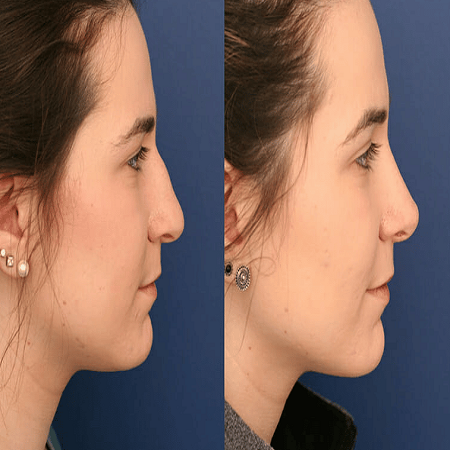
Rhinoplasty, also known as nose reshaping or a nose job, is a surgical procedure performed to change the shape, size, or overall appearance of the nose. It is one of the most commonly performed plastic surgery procedures.
Rhinoplasty can improve both the cosmetic appearance and functional performance of the nose, helping individuals achieve better facial harmony and improved breathing.
During a rhinoplasty procedure, a plastic surgeon makes incisions, usually inside the nostrils, to access the nasal structures. Depending on the desired outcome, the surgeon may remove or reshape bone and cartilage or add tissue grafts to achieve the desired shape and proportions.
The procedure is customized according to the patient's facial features, nasal anatomy, and desired aesthetic or functional goals.
Many individuals opt for rhinoplasty to improve the appearance of their nose. This can include altering the size, shape, or symmetry of the nose, refining the tip, or reducing the prominence of humps or bumps on the bridge of the nose.
Some people undergo rhinoplasty to address functional issues related to the nose. This can include correcting a deviated septum (the partition between the nostrils), which can cause breathing difficulties, chronic congestion, or snoring.
Functional rhinoplasty can help improve airflow through the nasal passages and enhance overall breathing comfort and quality of life.
Rhinoplasty can be performed to repair and reconstruct the nose after a traumatic injury or accident. This procedure can help restore both the aesthetic appearance and function of the nose.
Nasal reconstruction procedures are carefully planned to improve structural support and restore natural facial appearance following injury.
Individuals born with congenital abnormalities or nasal deformities, such as a cleft lip and palate or a noticeably misshapen nose, may choose to undergo rhinoplasty to enhance their facial appearance and improve their self-confidence.
Corrective rhinoplasty procedures can help create improved facial balance and support better nasal function in individuals with congenital conditions.
Rhinoplasty is usually performed under general anesthesia or local anesthesia with sedation, depending on the complexity of the procedure. The surgery duration can vary based on the surgical approach and treatment goals.
Recovery after rhinoplasty may involve temporary swelling, bruising, and mild discomfort. Most patients can return to light activities within a short period, although complete healing and final results may take several months.
It's important to note that rhinoplasty is a surgical procedure that carries potential risks and requires a significant recovery period. It's crucial to have a thorough understanding of the procedure, its limitations, and the potential outcomes before making a decision.
Before considering rhinoplasty, it is essential to consult with a qualified plastic surgeon who specializes in facial plastic surgery.
They will evaluate your unique facial features, discuss your goals and expectations, and provide professional advice on whether rhinoplasty is a suitable option for you.
Your surgeon will provide you with detailed pre-operative and post-operative instructions to ensure the best possible results and minimize any potential complications.
Ready to take the next step?
Book a free consultation with our specialist surgeons.
Book an Appointment +971 55 556 3455Rhinoplasty, commonly known as a nose job, is a surgical procedure to reshape the nose for cosmetic or functional reasons.
Ideal candidates are those unhappy with their nose shape or size, or those with breathing issues related to nasal structure.
Recovery typically takes about 1-2 weeks, with swelling subsiding within a few months.
Risks may include infection, scarring, and dissatisfaction with the aesthetic outcome.
Costs vary based on the complexity of the procedure and the surgeon’s expertise; a consultation will provide a personalized estimate.