Ozempic Injections in Abu Dhabi
Semaglutide was first developed to manage blood sugar in adults with type 2 diabetes. What clinical trials quickly revealed was a consistent and significant secondary effect: meaningful, sustained weight loss that exceeded anything previously seen with non-surgical weight-management medication. Ozempic injections in Abu Dhabi are now used for both diabetes management and medically supervised weight-loss programmes, delivering a once-weekly subcutaneous injection that works by resetting the hormonal signals that drive hunger, blood sugar instability, and metabolic resistance.
Quick Facts
| Brand Name | Ozempic |
| Active Ingredient | Semaglutide |
| Drug Class | GLP-1 receptor agonist |
| Primary Indication | Type 2 diabetes management |
| Secondary Use | Weight management (off-label at standard doses) |
| Injection Frequency | Once weekly |
| Injection Sites | Abdomen, upper thigh, upper arm |
| Starting Dose | 0.25 mg once weekly |
| Maximum Standard Dose | 1 mg once weekly (2 mg available for glycaemic control in T2D) |
| Pen Expiry After Opening | 56 days |
| Storage | Refrigerated at 2 to 8 degrees Celsius; up to 30 days at room temperature before first use |
| Prescription Required | Yes |
| Starting Cost | 2,300 AED |
What Is Ozempic?
Ozempic is a prescription injectable medication containing semaglutide, a synthetic analogue of the naturally occurring hormone GLP-1 (glucagon-like peptide-1). It was originally developed and approved by the FDA for the management of blood sugar in adults with type 2 diabetes.
During clinical trials for its diabetes indication, semaglutide produced a consistent and clinically significant side effect: weight loss. Patients using Ozempic lost substantially more weight than those on comparator medications, and at rates that positioned semaglutide as the most effective GLP-1 agent available at standard doses.
As a result, Ozempic is now widely used in medically supervised weight management programmes for patients with obesity or overweight with associated health conditions, even in the absence of a type 2 diabetes diagnosis. This use is off-label at standard Ozempic doses; the weight-specific semaglutide formulation at higher doses is Wegovy. Your physician will confirm the most appropriate prescribing approach for your specific health profile.
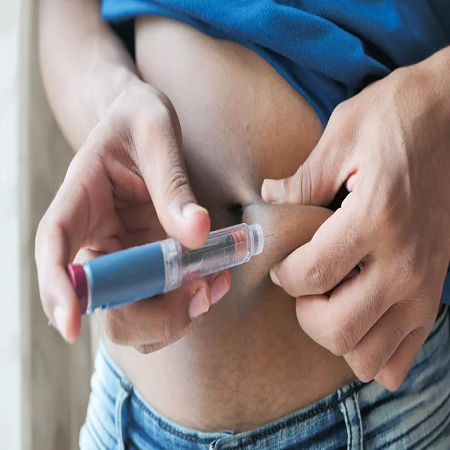
Ozempic is administered as a subcutaneous injection once weekly using a pre-filled pen device. After a brief clinic demonstration, patients self-administer at home.
Cost of Ozempic Injections in Abu Dhabi
| Dosage | What Is Included | Offer Price |
|---|---|---|
| Ozempic 0.5 mg | 1 box plus personalised dietary plan plus 2 follow-up appointments | 2,300 AED plus 5% VAT |
| Ozempic 1 mg | 1 box plus personalised dietary plan plus 2 follow-up appointments | 2,400 AED plus 5% VAT |
Final pricing depends on the prescribed dose, treatment duration, and any additional clinical support required. All costs are confirmed before any treatment begins.
How Ozempic Works Within Your Body
Ozempic does not burn fat directly. It works by influencing the hormonal signals that regulate hunger, digestion, blood sugar, and metabolic function. Understanding the mechanism helps set accurate expectations for how and why the medication produces its effects.
Mimicking the GLP-1 Hormone
Semaglutide is structurally designed to mimic GLP-1, a hormone naturally released by the gut after a meal. GLP-1 signals the brain and pancreas that food has been consumed, reducing further hunger and triggering appropriate insulin release. Because semaglutide is resistant to the enzyme that breaks down natural GLP-1, it remains active in the body far longer than the hormone itself, producing a sustained effect between doses.
Appetite Regulation Through Brain Signalling
Ozempic activates GLP-1 receptors in the hypothalamus, the region of the brain responsible for regulating appetite and energy balance. This activation reduces the perceived intensity of hunger signals, lowers food cravings between meals, and makes it easier for patients to maintain a calorie-appropriate diet without the constant hunger that makes traditional dieting difficult to sustain.
Slowed Gastric Emptying
Ozempic reduces the rate at which the stomach empties food into the small intestine. This slowing of gastric motility extends the physical sensation of fullness after meals and reduces the frequency of hunger signals between meals. Most patients report feeling satisfied with smaller portions than they could previously manage.
Insulin Optimisation and Blood Sugar Control
In the pancreas, semaglutide stimulates insulin secretion in response to elevated blood glucose but only when blood sugar is actually raised. This glucose-dependent mechanism means it does not cause hypoglycaemia on its own. It also suppresses glucagon, the hormone that signals the liver to release stored glucose, further stabilising blood sugar levels. This dual effect makes Ozempic highly effective for type 2 diabetes management and for patients with insulin resistance contributing to weight gain.
Clinical Evidence: The SUSTAIN Trial Programme
Ozempic's efficacy is supported by the SUSTAIN clinical trial programme, a comprehensive series of global studies evaluating semaglutide in patients with type 2 diabetes across multiple comparator treatments. The weight loss findings from these trials established semaglutide as the most effective GLP-1 receptor agonist at standard doses:
| Trial | Duration | Ozempic Dose | Comparator | Average Weight Loss (1 mg Ozempic) |
|---|---|---|---|---|
| SUSTAIN 1 | 30 weeks | 0.5 mg / 1 mg | Placebo | 4.5 kg |
| SUSTAIN 2 | 56 weeks | 0.5 mg / 1 mg | Sitagliptin | 6.1 kg |
| SUSTAIN 3 | 56 weeks | 1 mg | Exenatide | 5.6 kg |
| SUSTAIN 4 | 30 weeks | 0.5 mg / 1 mg | Insulin Glargine | 5.2 kg |
| SUSTAIN 5 | 30 weeks | 0.5 mg / 1 mg | Placebo | 6.4 kg |
| SUSTAIN 7 | 40 weeks | 0.5 mg / 1 mg | Dulaglutide | 6.5 kg |
| SUSTAIN 8 | 52 weeks | 1 mg | Canagliflozin | 5.3 kg |
| SUSTAIN 10 | 30 weeks | 1 mg | Liraglutide | 5.8 kg |
Important clinical note: The SUSTAIN trials were conducted in patients with type 2 diabetes. In patients without diabetes, semaglutide at weight-specific doses (as used in the STEP trials for Wegovy) produces greater average weight loss, approximately 12 to 15% of body weight. Your physician will explain what weight loss outcome is realistic for your specific profile and starting dose.
Ozempic Dosage Schedule
Ozempic treatment follows a structured titration schedule. The starting dose is always 0.25 mg; this is an acclimatisation dose designed to allow the body to adjust to the medication before therapeutic doses are introduced:
| Phase | Duration | Weekly Dose | Primary Goal |
|---|---|---|---|
| Initiation | Weeks 1 to 4 | 0.25 mg | Body adjustment; tolerability assessment; minimal weight loss expected |
| Adjustment | Weeks 5 to 8 | 0.5 mg | Appetite suppression begins; active metabolic changes establish |
| Maintenance | Weeks 9 onward | 1.0 mg | Consistent weight loss and blood sugar management |
| Extended (T2D, glycaemic control) | As directed by the physician | 2.0 mg | Available for type 2 diabetes patients requiring additional glycaemic control |
The 2 mg dose is specifically indicated for improved glycaemic control in type 2 diabetes; it is not a standard weight management escalation step. Dose decisions are made by your physician at each follow-up appointment based on your response and tolerability.
How Ozempic Injections Are Administered
Initial Clinic Demonstration
Before your first self-injection, a qualified nurse provides a comprehensive, practical demonstration covering:
- How to inspect the pen and confirm the medication is clear before use
- How to attach a new needle and prime the pen correctly
- Correct injection technique, including angle, pressure, and hold duration
- Rotation of injection sites to avoid localised tissue changes
- Safe needle disposal using a sharps container
- Tips for managing minor discomfort or bruising at the injection site
Choosing and Preparing the Injection Site
Ozempic is administered subcutaneously into the fatty tissue layer just beneath the skin. Three injection sites are suitable:
- The abdomen (at least 5 cm from the navel)
- The front of the upper thigh
- The outer upper arm
Sites should be rotated weekly. Avoid injecting into areas of active bruising, redness, or skin irritation.
Practical Tips for Weekly Injections
- Remove the pen from the refrigerator approximately 30 minutes before use to allow it to reach room temperature. This makes the injection more comfortable
- Always attach a new, unused needle for each injection
- Clean the injection site with an alcohol swab and allow it to dry before injecting
- Press the injection button and hold until the dose counter reaches zero before removing the pen
- Dispose of the used needle immediately in a sharps container. Do not recap and reuse
Who Is the Right Candidate for Ozempic?
Ozempic is appropriate for adults who meet the following criteria:
- Adults diagnosed with type 2 diabetes who want to improve glycaemic control alongside or instead of other diabetes medications
- Adults with a BMI of 30 or above seeking medically supervised weight management support
- Adults with a BMI of 27 or above, accompanied by at least one weight-related health condition such as hypertension, dyslipidaemia, or cardiovascular disease
- Patients who experience significant hunger, cravings, or metabolic resistance that have made traditional weight loss approaches ineffective
- Individuals are committed to combining the medication with dietary modification and regular physical activity for optimal outcomes
Who Should Proceed with Caution or Avoid Ozempic?
Ozempic is not appropriate for all patients. The following contraindications apply:
- Personal or family history of medullary thyroid carcinoma (MTC)
- Multiple Endocrine Neoplasia syndrome type 2 (MEN2)
- History of pancreatitis or significant pancreatic disease
- Severe kidney impairment or end-stage renal disease
- Known hypersensitivity to semaglutide or any component of the Ozempic formulation
- For current pregnancy or planning to conceive, semaglutide should be discontinued at least two months before attempting conception
- Breastfeeding
- Age under 18
Patients with a history of gallbladder disease, gastroparesis, or severe gastrointestinal conditions should discuss these with their physician before starting Ozempic.
Results: What to Expect
Ozempic produces gradual, progressive weight loss and blood sugar improvement. Results vary based on the dose reached, the duration of treatment, individual metabolic factors, and how well dietary and lifestyle changes are maintained alongside the medication.
| Timeframe | What to Expect |
|---|---|
| Weeks 1 to 4 | Appetite begins to reduce; food cravings become less intense; minimal scale change at the starting dose |
| Weeks 5 to 8 | Active appetite suppression at 0.5 mg; early weight loss is visible for most patients |
| Weeks 9 to 16 | Consistent weekly weight reduction at the 1 mg maintenance dose; blood sugar stabilisation in T2D patients |
| Months 3 to 6 | Meaningful reduction in body weight; improved energy, blood pressure, and metabolic markers for most patients |
| Months 6 to 12 | Continued progressive weight loss at a steady pace; lifestyle changes become more sustainable as cravings reduce |
| Beyond 12 months | Long-term results are maintained with ongoing medication and lifestyle adherence |
Average weight loss with Ozempic 1 mg in non-diabetic patients ranges from 5 to 15% of starting body weight, with results most pronounced in patients who maintain dietary and activity modifications throughout treatment.
Lifestyle and Dietary Guidelines While Using Ozempic
Ozempic produces its best results when supported by appropriate dietary choices and regular physical activity. The medication reduces appetite dietary choices determine the nutritional quality of the reduced calorie intake.
Dietary Guidance
| Prioritise | Limit |
|---|---|
| Lean protein: chicken, fish, eggs, legumes | Fried and high-fat processed foods |
| Non-starchy vegetables: leafy greens, broccoli, peppers | Sugary drinks, juices, and sodas |
| Whole grains: oats, brown rice, whole grain bread | Refined carbohydrates and pastries |
| Healthy fats: avocado, olive oil, nuts | Excessive alcohol |
| Adequate hydration: aim for 2 litres of water daily | Ultra-processed snack foods |
Smaller, more frequent meals are often better tolerated during treatment as Ozempic slows gastric emptying. Large meals may cause discomfort or nausea.
Physical Activity
Physical activity amplifies the metabolic benefits of Ozempic, preserves lean muscle mass during weight loss, and improves insulin sensitivity independently of medication.
- Begin with manageable, consistent movement; 20 to 30-minute walks five days per week is an effective starting point
- Incorporate resistance or strength training at least twice per week to protect muscle mass during fat loss
- Post-meal walking (10 to 15 minutes after eating) helps manage blood sugar peaks
- Intensity and duration can be increased gradually as fitness and energy levels improve
Benefits of Ozempic Injections
- Clinically proven blood sugar control and HbA1c reduction in type 2 diabetes
- Significant and progressive weight loss through appetite regulation and reduced calorie intake
- Reduced frequency and intensity of hunger and food cravings
- Lower blood pressure and improved lipid profile in most patients over time
- Cardiovascular risk reduction, Ozempic has demonstrated reduced risk of major cardiovascular events in at-risk patients
- Protective effects on kidney function documented in clinical studies
- Once-weekly dosing with home self-administration after initial nurse guidance
- Fully reversible medication can be discontinued at any time under physician guidance
Possible Side Effects and Risks
Most patients tolerate Ozempic well. Side effects are usually mild to moderate and occur during the first few weeks of treatment or after dose increases. They typically improve as the body adjusts to semaglutide.
Common Side Effects
- Nausea
- Vomiting
- Diarrhoea
- Constipation
- Reduced appetite
- Abdominal discomfort or bloating
- Heartburn or indigestion
- Mild fatigue during early treatment
Less Common Side Effects
- Injection-site redness or bruising
- Headache
- Dizziness
- Gallbladder irritation or gallstones
Serious Symptoms Requiring Immediate Medical Attention
- Persistent or severe abdominal pain that may indicate pancreatitis
- Signs of a severe allergic reaction, including swelling of the face or throat or difficulty breathing
- Vision changes, particularly in patients with diabetic retinopathy
- Persistent vomiting causing dehydration
- Symptoms of hypoglycaemia when Ozempic is used alongside insulin or sulphonylureas
Patients receive detailed counselling on side-effect management before treatment begins, and follow-up appointments allow dose adjustments if required.
Why Choose Us for Ozempic Treatment in Abu Dhabi?
Safe and effective Ozempic treatment depends on proper patient selection, careful dose titration, and ongoing clinical monitoring. Our programme is designed to provide comprehensive medical supervision from your first consultation through every stage of treatment.
- DOH-licensed physicians experienced in GLP-1 receptor agonist therapies
- Comprehensive medical assessment before prescribing Ozempic
- Structured dose titration with regular clinical follow-up appointments
- Personalised dietary and lifestyle guidance throughout treatment
- Authentic Ozempic sourced through authorised pharmaceutical suppliers
- Transparent treatment pricing with no hidden costs
- Ongoing monitoring of weight, blood sugar, and treatment progress
Book Your Ozempic Consultation in Abu Dhabi
If you are considering Ozempic for weight management or type 2 diabetes control, the first step is a comprehensive medical consultation. Your physician will assess your medical history, discuss your treatment goals, determine whether Ozempic is appropriate for you, and develop a personalised treatment plan with ongoing clinical support.
Contact our clinic today to book your consultation and begin your medically supervised Ozempic treatment programme.