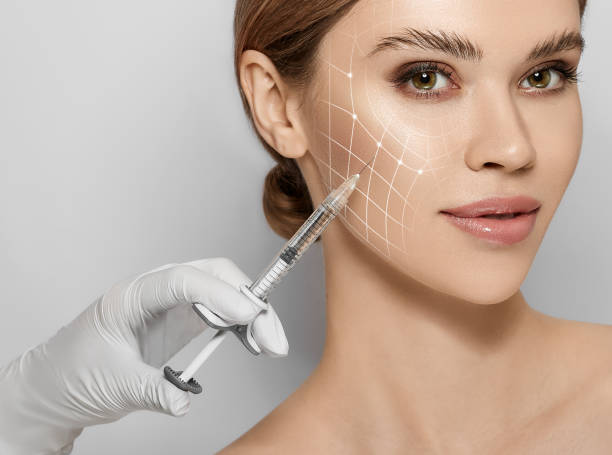
Filler injections, also known as dermal fillers, are a popular cosmetic treatment used to restore volume, enhance facial features, and reduce the appearance of wrinkles and fine lines. Platelet-Rich Plasma (PRP) is a treatment that utilizes the growth factors and healing properties found in a person's own blood to promote tissue regeneration and rejuvenation. While filler injections and PRP are two separate treatments, they can be used in combination to enhance results.
Dermal fillers are injectable substances used to improve facial contours, restore lost volume, and smooth facial wrinkles. The most commonly used fillers are made from a substance called hyaluronic acid (HA), which is naturally present in the body and helps maintain moisture and elasticity in the skin.
HA fillers are commonly used in cosmetic procedures because they provide natural-looking results and can help rejuvenate the skin with minimal downtime.
When combining filler injections with PRP, the process typically involves the following steps:
The combination of filler injections with PRP aims to provide additional benefits to the treated areas. PRP contains growth factors that can stimulate collagen production, improve skin texture, and enhance tissue regeneration.
When used in conjunction with fillers, PRP may enhance the longevity of the filler results and promote a more natural-looking outcome. The PRP treatment can also help improve skin quality and provide a rejuvenating effect.
Results from dermal fillers are usually visible immediately after treatment, while PRP results may continue to improve gradually over several weeks as collagen production increases. Mild swelling, redness, or bruising may occur temporarily after the procedure.
Most individuals can return to their normal daily activities shortly after treatment, although proper aftercare and follow-up instructions should be followed for optimal results.
It's important to note that the specific technique and protocol for combining filler injections with PRP may vary among healthcare providers. The suitability of this combination treatment for an individual depends on various factors, such as their overall health, skin condition, and aesthetic goals.
Consulting with a qualified and experienced healthcare professional who specializes in cosmetic treatments is crucial to determine the most appropriate approach for your specific needs.
Ready to take the next step?
Book a free consultation with our specialist surgeons.
Book an Appointment +971 55 556 3455Fillers injections are cosmetic treatments designed to add volume, smooth out wrinkles, and enhance facial features. They can be used in various areas, including the cheeks, lips, nasolabial folds, and under-eye regions.
Fillers work by injecting substances, such as hyaluronic acid, calcium hydroxylapatite, or poly-L-lactic acid, into specific areas of the face. These substances help restore lost volume, improve skin texture, and create a more youthful appearance.
Good candidates include individuals looking to enhance their facial features, reduce the appearance of wrinkles, or restore volume lost due to aging. Candidates should be in good health and have realistic expectations about the results.
Fillers are administered through a series of injections using a fine needle. A local anesthetic or numbing cream may be applied beforehand to minimize discomfort.
Results are typically visible immediately after the procedure, with optimal outcomes appearing as any swelling subsides over the next few days.